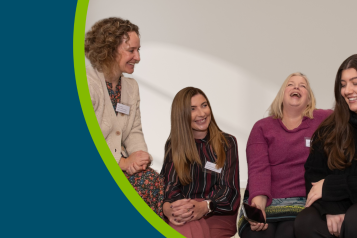
What women want from healthcare

Women say being listened to and taken seriously by healthcare professionals is one of the most important parts of good care.
Women’s health covers a wide range of services across different stages of life, from GP appointments and pharmacy advice to maternity care, screening and specialist support.
Most women will use these services regularly, whether for things like menstrual health, menopause, or routine checks such as cervical and breast screening.
But many women tell us that getting the right help at the right time is not always easy. Some describe long waits, uncertainty about where to go for advice, or feeling that their concerns are not fully heard.
Others say they have to repeat their story multiple times, which can make them feel like services are not joined up.
National research from Healthwatch England helps to build a clearer picture of what women want from healthcare and what needs to improve. More than 6,000 people took part in the research, including over 3,000 women.
The findings come as the Government prepares to refresh the Women's Health Strategy for England. First published in 2022, it sets out a ten year ambition to improve how health and care services support women throughout their lives.
The findings show that listening matters most. Across all age groups, women said having healthcare professionals who listen and take their concerns seriously is the top priority for future services.
However, this is not always people’s experience. Around one in seven women said they feel listened to less than half the time or not at all during healthcare appointments. These women were much more likely to feel dissatisfied with their care.
This highlights a simple but important point. When people feel heard, their experience of care improves. When they do not, it can affect confidence and trust in services.
We hear similar experiences locally in North Yorkshire. People tell us that feeling listened to can make a real difference, especially when dealing with ongoing symptoms or trying to get the right support.
Access can also be more challenging in a large, rural area like North Yorkshire, where travel, availability of services and knowing where to go for help can all play a part. More women attend cervical screening locally than the national average, but geography and access still affect how easily people can get care.
We will continue listening to women’s experiences across North Yorkshire to help highlight what is working well and where care needs to improve.
Find out more
Read the full article from Healthwatch England to explore the findings in more detail and what women say needs to change in healthcare services.