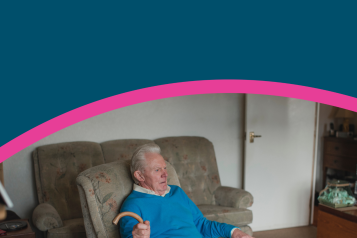
Have your say on the future of adult social care

North Yorkshire Council has asked Healthwatch North Yorkshire to help raise awareness of The Big Conversation on Care, a nationwide public conversation programme led by Baroness Louise Casey as part of the Independent Commission on Adult Social Care.
The conversation gives people the opportunity to share what they think a future National Care Service should look like, who should be eligible for support, and how care should be funded. It is open to anyone with experience of using adult social care, caring for someone else, working in care, or anyone who may need care in the future.
The first part of the conversation runs until November 2026 and focuses on the values and principles that should underpin adult social care. A second phase will explore how care should be funded and delivered, with the overall conversation continuing until April 2027. Baroness Casey's recommendations are expected in summer 2027.
Why this matters
Adult social care supports people who need help because of older age, disability, illness or other circumstances. It can include help at home, support in the community, residential care and services that help people live as independently as possible.
North Yorkshire has an ageing population and many local people either receive care themselves or provide unpaid care for a partner, family member, friend or neighbour. Living in a large rural county can also make it more difficult for some people to access support, making it even more important that local experiences help shape future reforms.
The 2021 Census found that almost one in ten people in England aged five and over were providing unpaid care. According to Carers UK, unpaid carers provide care worth an estimated £184.3 billion each year, highlighting the vital role they play in supporting families and communities. Many people do not think of themselves as unpaid carers, which can mean they miss out on advice, financial support and other help that may be available.
Earlier this year, Healthwatch North Yorkshire published a report looking at the experiences of people from ethnic minority communities accessing adult social care. People told us about challenges including language barriers, a lack of awareness of available support, cultural differences and difficulties navigating the care system. Sharing experiences through the Big Conversation can help ensure these and other issues are considered as plans for the future are developed.
Healthwatch England welcomes the announcement
The Prime Minister, Andy Burnham, recently announced that Baroness Casey's review of adult social care will be brought forward by a year, with publication now expected in 2027. Cross-party talks on adult social care have also restarted.
Responding to the announcement, Chris McCann, Acting Chief Executive of Healthwatch England, said:
"We welcome the Prime Minister's decision to expedite the Casey Commission on social care and relaunch cross-party talks. People tell Healthwatch every day how difficult it is to access care under the current system, and it is vital that long-term reform is brought forward as soon as possible.
Our research in 2024 found that up to 1.5 million working-age disabled people may be entitled to social care but have never received it. The Big Conversation on Care is a welcome step towards ensuring that the experiences of people who draw on care, as well as those who need support but are not receiving it, are at the heart of designing a new social care system."
Take part
The Big Conversation on Care is open to everyone in England.
The conversation starts with a simple but important question:
"When we are old or disabled, or have a serious illness, who should support us and how?"
Whether you currently receive care, support someone who does, work in care, or simply want to help shape the future of adult social care, you can share your views online.
The conversation will remain open until April 2027, giving people plenty of time to get involved.
Find out more and take part in the Big Conversation on Care.