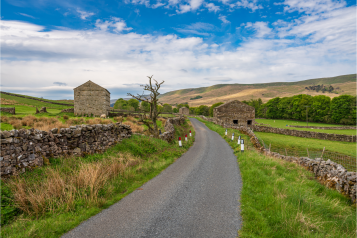
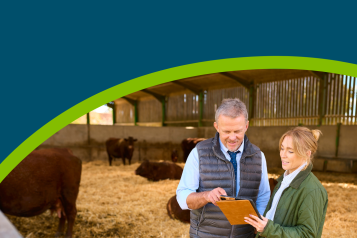
North Yorkshire people's experiences of rural healthcare highlighted in national report
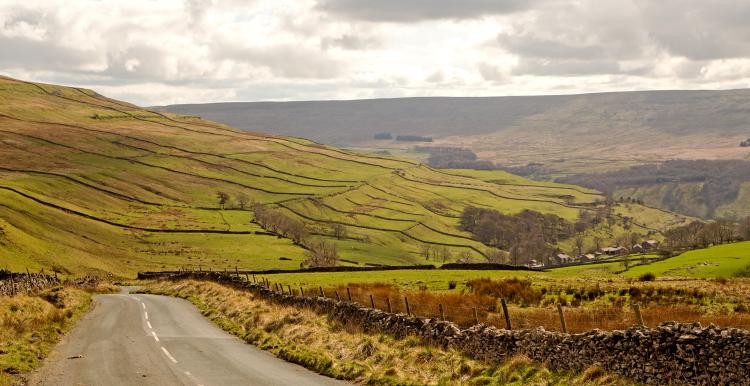
Professor Chris Whitty's 2026 annual report, Health in Rural Areas and Small Towns, examines the health challenges facing people living in rural England and what needs to change to improve access to care.
The report draws on evidence from across the country, including research by Healthwatch North Yorkshire, Healthwatch England and other local Healthwatch organisations.
It highlights many of the issues people in North Yorkshire have told us about over several years, including difficulties travelling to appointments, limited public transport, access to NHS care and the particular pressures facing farming communities.
What people in North Yorkshire have told us
In 2023, we published Rurality and Healthcare Barriers, exploring how living in rural North Yorkshire affects people's ability to access health and care.
People described difficulties caused by long distances, limited public transport, poor digital connections and the cost of travelling to appointments.
For some, these barriers meant delaying care or relying on family and friends for transport.
Our findings were subsequently included in Healthwatch England's article, What people living rurally have told us about their healthcare.
This brought together experiences from several local Healthwatch organisations, highlighting common challenges around transport, NHS dentistry, appointments and access to care. The national evidence is referenced in the Chief Medical Officer's report.
The challenges facing farming communities
Our research has also explored the particular difficulties experienced by people working in agriculture.
In April 2025, we published Ploughing Through Barriers: Farming and Healthcare, based on conversations with 220 people from North Yorkshire's farming community.
People told us how demanding working hours, unpredictable responsibilities and the distances involved in accessing healthcare can make it difficult to seek help.
Some described putting their health second to the needs of their farms, sometimes waiting until problems became more serious before seeking care.
Our recommendations included more flexible appointments, opportunities for health checks at auction marts and better understanding of the realities of farming life.
Ploughing Through Barriers is directly referenced in the Chief Medical Officer's report.
Similar challenges across the country
The national report also highlights evidence and examples of good practice from elsewhere in the Healthwatch network.
This includes Healthwatch County Durham's work to improve farmers' access to healthcare, which helped introduce more accessible health checks for farming communities.
Alongside this, Healthwatch England's research shows that many of the difficulties people experience in North Yorkshire are shared by rural communities elsewhere in England.
Together, these findings help build a wider picture of how where people live, the availability of transport and the demands of working life can affect their ability to access NHS care.
What needs to change?
The Chief Medical Officer's report recognises that healthcare arrangements designed around larger towns and cities do not always meet the needs of rural communities.
It highlights the importance of planning care around local circumstances, including longer journeys, an ageing population, transport difficulties and the different needs of people working in rural industries.
These issues reflect many of the concerns people have raised with Healthwatch North Yorkshire.
Making appointments easier to access, providing different ways to receive care and recognising the practical challenges of rural life could help reduce some of these barriers.
Why this recognition matters
At Healthwatch North Yorkshire, our role is to listen to people's experiences of health and care and make sure their voices reach the people responsible for planning and delivering NHS care.
Seeing our research reflected in a national report demonstrates how people's experiences locally can contribute to a wider understanding of the challenges facing the NHS.
It also highlights the collective value of the Healthwatch network, with evidence gathered in different communities helping to identify shared problems and opportunities for improvement.
While this national recognition is encouraging, the important next step is turning the evidence into practical improvements for people living and working in rural communities.
Where someone lives should not determine how easily they can access the care they need.