Long waits in A&E: what are people experiencing?
Healthwatch England has shared new insight into people’s experiences of urgent and emergency care, including long waits in accident and emergency departments and reports of patients sometimes receiving care in corridors when hospitals are under significant pressure.
Across the country, people have told Healthwatch about the challenges they have faced when attending A&E. This includes waiting many hours to be seen, delays in being admitted to a ward, and concerns about the environment patients are cared for in while waiting for treatment.
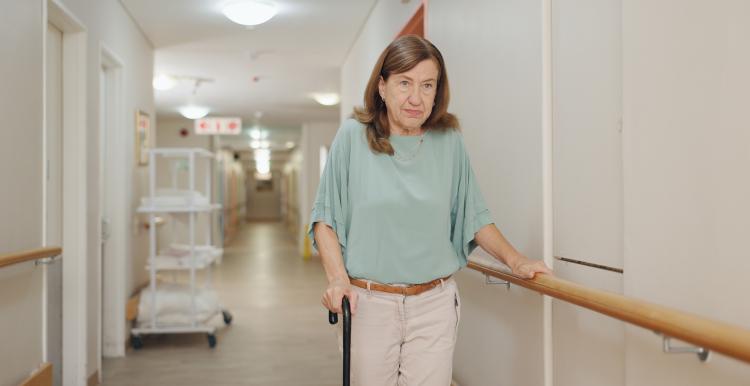
Some people described receiving care in temporary spaces such as corridors or waiting areas when departments were particularly busy. Healthwatch England has said these experiences can be distressing for patients and families, particularly for older people or those who may already feel vulnerable.
At the same time, many NHS staff continue to work under significant pressure. Staff across urgent and emergency care services are committed to supporting patients and doing their best in very challenging circumstances.
Understanding what people experience when they seek urgent care is important. Feedback from patients and families can help identify patterns, highlight where services are under strain, and support improvements to how care is delivered.
For people living in rural areas such as North Yorkshire, urgent care can also involve long journeys to hospital or limited public transport, which can add further challenges when someone needs help quickly.
Healthwatch England’s latest insight brings together experiences shared with local Healthwatch services across the country.
"No one should ever have to receive medical care in a hallway."
Healthwatch England on people’s experiences of A&E
You can read their full update here:
Corridor care and long waits: what are people experiencing in A&E?
If you have recently used A&E or urgent care services in North Yorkshire, you can share your experience with Healthwatch North Yorkshire. Your feedback helps build a picture of what is working well and where improvements may be needed.