
Behind the glass: Midlife women, alcohol and support in North Yorkshire
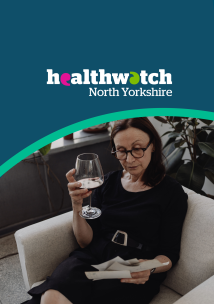
Midlife brings significant physical, emotional and social changes for many women.
Evidence shows alcohol can have a greater impact during this stage of life, but women's experiences are often missing from conversations about alcohol and support.
Some of the evidence that informed this work includes:
- Around 3,300 women died from alcohol-specific causes in the UK in 2024, according to the Office for National Statistics.
- Women in midlife often drink more frequently than younger women and can face greater health risks because of hormonal and physical changes, according to the Office for Health Improvement and Disparities: Women and alcohol.
- In North Yorkshire, alcohol-related health harm among women aged 40 to 64 is above the national average in Scarborough and Richmondshire, according to North Yorkshire Council and the Department of Health & Social Care.
That's why we wanted to hear directly from women about their experiences and what support would make the biggest difference.
Our report,Behind the glass: Midlife women, alcohol and support in North Yorkshire, is based on the views of 293 women aged 40 to 60 from across the county who completed a survey, alongside interviews, group discussions and a therapeutic photography project.
What we heard
Many women described alcohol as part of socialising, relaxation and everyday life. However, others spoke about using alcohol to cope with stress, poor sleep, menopause symptoms, trauma, loneliness and other pressures.
The report found that drinking habits often change during midlife. Drinking became more frequent among women aged 50 to 60, while heavier drinking on a single occasion was more common among women aged 40 to 44 and those in perimenopause.
Around 45% of women who took part were drinking at levels associated with increased health risk.
Many women who reduced or stopped drinking reported benefits including improved sleep, better mood, more energy and greater confidence.
Access to support
Women told us they want support that is easy to find, flexible and available before problems reach crisis point.
Many women said they were unsure what support was available locally or how to access it. Common barriers included stigma, fear of judgement, work and caring responsibilities, travel difficulties and concerns about privacy.
"It's easier to find where to drink than where to get help."
Women preferred support that was discreet, flexible and available in different ways, including online, by phone and face to face. Many also highlighted the importance of women-only support and informal community spaces.
Another woman highlighted the challenge of reaching people before problems become more serious:
"They're not in A&E and not at the pub... how do you reach women drinking at home?"
Many women also felt existing support was not aimed at people like them.
"It feels like services are for people with real problems... not people like me who just drink too much."
What needs to change
The report makes recommendations for organisations involved in supporting women's health and wellbeing, including NHS organisations, North Yorkshire Council, alcohol support organisations and community groups.
The recommendations focus on:
- making alcohol conversations more routine and happening earlier
- increasing awareness of available support
- improving access to flexible support options
- increasing women-focused and women-only support
- improving coordination between alcohol support, mental health support, menopause support, primary care and hospitals
- addressing the underlying reasons why women drink, including stress, anxiety, poor sleep, menopause symptoms and caring responsibilities
Women's experiences show that alcohol use during midlife is often linked to wider issues such as menopause, stress, sleep and caring responsibilities. We hope these findings help shape support that is easier to access, more responsive to women's needs and available before problems reach crisis point.
Read the report
Help and support
Whilst Healthwatch don't provide medical advice, if this has raised any concerns or you’d like to speak to someone, support is available.
Contact these organisations for help or get in touch with Healthwatch and we can help you find what's right for you.
- North Yorkshire Horizons – local alcohol support www.nyhorizons.org.uk
- Drink drug hub - www.drinkdrughub.co.uk
- North Yorkshire Connected Spaces - Facebook page
- York Drug and Alcohol Service – www.changegrowlive.org.uk
- Drinkline – 0300 123 1110 (free, confidential)
- Drinkaware – www.drinkaware.co.uk
- Alcohol change UK – www.alcoholchange.org.uk
- Menopause Matters – www.menopausematters.co.uk
- NHS menopause support – www.nhs.uk/conditions/menopause
- NHS mental health support - www.nhs.uk/mental-health/