How local people and Healthwatch turned continence care from taboo into dignity

People across North Yorkshire told Healthwatch that continence issues were affecting their confidence, independence and daily routines. Some said they struggled to access the right products or clear information. Others were unsure where to turn for help or felt embarrassed raising their concerns. These experiences showed how easily continence needs can be overlooked and why respectful and timely support makes such a difference.
In 2023 Healthwatch shared what people had said with hospitals, GP practices, North Yorkshire Council and the local NHS. Services agreed that continence care should be more visible, more consistent and more focused on dignity.
Two years on, people are beginning to see improvements across hospitals, community continence teams, general practice and children’s services.
This update sets out the actions taken by services, the improvements people are beginning to see and the areas where further work is still needed.
Healthwatch created a infographic which summarises some key improvements, all thanks to people speaking up.
What people told Healthwatch
People described the practical and emotional impact continence issues had on their daily lives. They spoke about how hard it can be to talk about bladder, bowel and stoma needs, and how this sometimes stopped them from asking for help. They also spoke about long waits for support, uncertainty about where to find advice and the difficulty of managing without the right products. Parents told Healthwatch they needed clearer guidance and more consistent support when caring for children with continence needs.
These experiences helped show where support needed to improve and shaped the work that followed.
What Healthwatch did
Healthwatch raised these concerns with hospitals in York, Scarborough and Harrogate, GP practices across the county, North Yorkshire Council and the local NHS.
Together with local people Healthwatch asked services to:
- support people to manage continence in hospital rather than defaulting to pads
- improve access to a wide range of continence products through clear product lists
- give stoma patients the right information and supplies before leaving hospital
- train hospital and social care staff in catheter, stoma and continence care
- update public information and signpost to peer support
- recognise and address continence poverty, including prevention
- keep accessible public toilets open all year
- encourage GPs to have proactive conversations about continence and improve responses to urinary tract infections
Here is what is changing to make support more visible, accessible and respectful.
What has improved
Hospitals
York and Scarborough Teaching Hospitals NHS Foundation Trust
The trust has made continence care a clearer priority across its hospitals. It has:
- introduced continence screening within seventy two hours of admission so needs can be identified early
- encouraged patients to bring their own products and underwear to support dignity and recovery
- provided stoma patients with pre operative counselling, written information packs and ongoing follow up
- held continence awareness days at York Hospital and shared lifestyle advice leaflets and posters across practices, health centres and public toilets
- worked with local support groups including the Multiple Sclerosis Society and cancer support groups
- delivered staff training in stoma, ostomy and catheter care, and is strengthening guidance for bladder scanning and for people learning to use a catheter independently
Harrogate and District NHS Foundation Trust
Harrogate has also continued to strengthen its approach to continence care. It has:
- added toilet plans to patient notes to encourage continence wherever possible, with pads used only when needed
- maintained a wide continence product list that is regularly updated
- given stoma patients pre operative counselling, a two week supply pack and at least twelve weeks of follow up through home visits, clinics, phone and video support
- offered refresher training on catheter care and is rolling out an updated policy and new online training
- considered restarting a stoma support group in Harrogate
Product choice and consistency
People told Healthwatch they want continence products that suit their needs and are available wherever they live.
Healthwatch asked services to follow the approach already used by York and Scarborough Teaching Hospitals NHS Foundation Trust, which offers a broad range of products.
A group of specialist clinicians and commissioners is now working on a shared continence product list for the whole area. This will help ensure everyone has access to the same products no matter where they receive care. The group is also reviewing assessment documents and processes so they can be used consistently by all services.
GP practices
General practice teams are beginning to respond to what people said and are trying new ways to improve support.
- Healthwatch recommended that GPs raise continence more proactively
- The NHS Humber and North Yorkshire Integrated Care Board has reinforced that urinary tract infections should be managed through full assessments rather than automatic record flags
- Some practices in Hambleton and Richmondshire are trialling new continence assessments during routine appointments
Community continence services
Specialist community continence services have grown so people can receive support closer to home.
- Services in Craven and Selby have expanded, reducing pressure on hospitals
- Community teams are providing more advice, assessments and product support in local settings
Support for children and young people
Support for children and young people is improving, with new information and services helping families manage bowel and bladder concerns. While more work is needed, these developments show positive progress.
- In York, children’s bowel and bladder nurses (part of York and Scarborough Teaching Hospitals NHS Foundation Trust) have joined with the City of York School Nursing team to deliver an integrated workshop for families whose children still experience bowel or bladder problems after universal support
- Families, carers, children and young people can now access practical resources on the Humber and North Yorkshire Healthier Together website, including guidance, advice and information to help when dealing with bladder or bowel problems.
- The Children and Young People Transformation team is reviewing continence support across Humber and North Yorkshire using the children’s continence commissioning framework as a benchmark
- Developed by a team of healthcare experts, a new video was made to help families understand possible causes of bedwetting and offers simple ideas they can try at home or in school. It also explains what to do if the family have tried these approaches and bedwetting remains a concern. The video is available below. Learn more on the website
Social care and the community
North Yorkshire Council and the local NHS are strengthening continence support across care settings and local communities. They are:
- training care home and domiciliary staff to spot urinary tract infections, constipation and continence needs, especially for older people and those with learning disabilities
- promoting awareness of bladder and bowel health through the Bristol Stool Chart, linked to bowel cancer prevention
- running improvement programmes in care homes that have reduced urinary tract infections and other avoidable harms
- supporting training on continence product use in the care sector and challenging the overuse of pads
- exploring how continence poverty could be included in prevention programmes, noting that redistributing unused products is restricted by medical device rules
Peer support and awareness
Support groups and local awareness activities continue to help people feel connected and informed.
- The York and Scarborough bladder and bowel team attending local events and working with support groups
- Harrogate considering restarting its stoma support group
- Signposting people to peer led groups including Second Chance Ostomy and support groups in York and Leeds
Public information
Services have also begun sharing clearer public information.
- York and Scarborough produce leaflets and posters with contact details for the bladder and bowel service and guidance on continence products
- Harrogate’s continence website provides information, referral options and printable leaflets
What still needs to happen
Despite progress, people’s experiences show there is more to do.
In healthcare
- more proactive support in GP practices.
- consistent standards across all hospitals and community services
- shorter waiting times, particularly for children and older people
In communities and social care
- year round access to public toilets
- better training for care staff on early signs of continence problems, urinary tract infections and constipation
- stronger action on continence poverty and access to essential products
Information and awareness
- clearer, more accessible information online and in print
- self referral options where appropriate
- stronger peer support networks, including restarting local stoma and continence groups
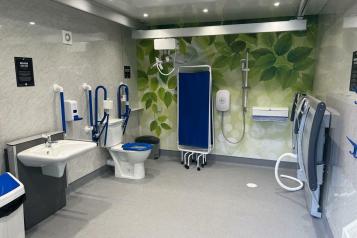
There is also wider progress on changing places and accessible toilets across North Yorkshire. While not a direct result of this work, these improvements will make a real difference for people who need safe and suitable toilet facilities when out and about.
Looking ahead
Healthwatch North Yorkshire will continue to monitor continence care and check that the commitments made by hospitals, general practice, community teams and social care lead to lasting improvements. We will keep sharing what people say so services can build on the progress already made.
Continence is not an easy subject to raise, but because people were willing to speak up, care is beginning to change. Healthwatch will continue to make sure every person in North Yorkshire can access respectful and timely continence support wherever they live.