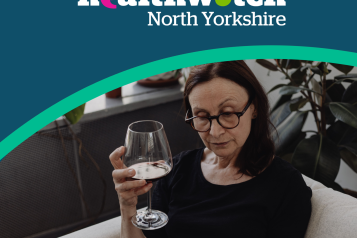
Women spoke up about alcohol support – here's what's changing in North Yorkshire
"I didn't think my drinking was a problem because everyone around me drank the same."
That was one of the many honest experiences women shared with us during our Behind the glass: Midlife women, alcohol and support in North Yorkshire project.
Nearly 300 women shared their experiences with us, telling us about alcohol, the pressures they face, the barriers to getting support and what they believe needs to change.
We took what women told us directly to the organisations responsible for planning, funding and providing services across North Yorkshire and made recommendations for change.
Since publishing the report, organisations have started using the findings to inform future policies, services and support. Women's experiences are already shaping conversations, influencing decision-making and helping organisations think differently about alcohol-related support.
What has happened since women spoke up
- Senior leaders across North Yorkshire Council and the NHS are using the findings to help shape future alcohol support.
- North Yorkshire Council's Scrutiny of Health Committee has asked how the recommendations will be taken forward.
- Healthwatch has developed a shared action plan framework to help organisations put the recommendations into practice.
- The report is helping inform the Humber and North Yorkshire Three Biggest Killers Strategy Strategy, which aims to reduce harm from alcohol, tobacco and unhealthy food.
- York and Scarborough Teaching Hospitals NHS Foundation Trust will review the findings and agree actions in response.
- The findings are informing discussions with organisations working to reduce alcohol-related harm across North Yorkshire.
Turning women's experiences into action
a { text-decoration: none; color: #464feb; } tr th, tr td { border: 1px solid #e6e6e6; } tr th { background-color: #f5f5f5; }
One of the most significant developments so far has been the creation of a shared action plan framework.
The framework helps organisations understand what they can do, who is responsible and how progress will be measured.
We are working with the organisations that plan, fund and provide health and care services to turn what women told us into practical improvements. This includes general practices, hospitals, public health teams, alcohol support services, community organisations and National Health Service leaders.
The framework is based around the four priorities women identified through our research:
- Helping women recognise alcohol-related harm earlier.
- Addressing the reasons why women drink.
- Improving awareness of alcohol's health impacts.
- Making it easier to access support.
Each organisation will be able to record the actions it plans to take, who is responsible and when they aim to deliver them. This will help us monitor progress and continue sharing updates about the difference women's experiences are making.
Influencing those in charge of decisions
We have shared what women told us with the people who plan, fund and provide health and care services across North Yorkshire.
The report has already been presented to North Yorkshire Council's Scrutiny of Health Committee. Following the presentation, the committee agreed to write to the Director of Public Health to ask how the report's recommendations will be taken forward.
This means the experiences women shared are now part of ongoing conversations about alcohol-related harm and support in North Yorkshire.
Women's experiences discussed by organisations responsible for alcohol support
Women's experiences were recently discussed by the North Yorkshire Drug and Alcohol Action Team, bringing together organisations responsible for alcohol support, public health, women's health and healthcare services across the county.
I presented the findings from the report and shared what women had told us about the reasons they drink, barriers to seeking support and what they believe needs to change.
The discussion focused on how the findings can improve support for midlife women across North Yorkshire.
Women and girls recognised as a priority
North Yorkshire Horizons reflected that the findings reinforce work already underway through its new substance use services operating model, particularly around reducing stigma, encouraging earlier conversations about alcohol and strengthening support for women and girls.
The organisation said the report will help inform future approaches to meeting the needs of midlife women.
Links to wider women's health work
North Yorkshire Council highlighted opportunities to use the findings through its Women and Girls Health Programme and wider Women and Girls Health Network.
The report was recognised as providing valuable local insight into an issue that had not previously featured as strongly through other engagement activity.
There was interest in exploring how the report's recommendations could be taken forward through existing women's health networks and future engagement activity.
Improving services and support
Partners reflected that the report provides practical guidance on how services can better support women, both within alcohol services and through community-based support.
There was recognition that alcohol-related harm has historically been viewed as predominantly affecting men, while the report reflects the growing visibility of women's experiences both locally and nationally.
Trauma-informed support
The discussion also highlighted the importance of ensuring women receive the right support at the right time.
Partners reflected on the difference between trauma-informed approaches and specialist trauma treatment, recognising the importance of identifying people who may need more specialist support and ensuring they can access appropriate services.
Looking at the bigger picture
The group discussed opportunities to explore related issues further, including caring responsibilities, mental health and neurodiversity.
There was interest in bringing together the report with other local evidence to help build a fuller understanding of women's experiences and inform future service development.
Overall, members agreed that the report provides an important piece of local evidence about the experiences of midlife women in North Yorkshire and identified several opportunities to use the findings to inform future prevention, treatment, women's health and public health work.
Helping inform a regional plan to reduce alcohol harm
Women's experiences are also helping inform the Humber and North Yorkshire Three Biggest Killers Strategy.
This regional plan aims to reduce the harm caused by alcohol, tobacco and unhealthy food. It sets out practical actions that health organisations, councils and other partners can take to improve people's health and reduce health inequalities across the region.
We have been told the report will help organisations improve conversations about alcohol, offer better brief advice and make support easier to access.
These priorities closely reflect what women told us through our research, helping ensure their experiences contribute to future improvements in alcohol support across Humber and North Yorkshire.
Improving conversations in healthcare
Many women told us they wanted healthcare professionals to have open, supportive conversations about alcohol without judgement.
GP practice leaders are now looking at how practices can have better conversations with women about alcohol and offer support earlier.
Hospital leaders will also consider what women told us and agree what action they can take. York and Scarborough Teaching Hospitals NHS Foundation Trust's Patient Experience Subcommittee will review the report and agree actions in response to the experiences women shared.
Thank you
Thank you to every woman who trusted us with her story and to all the care and support organisations for helping with the report.
Talking about alcohol is not always easy, but by sharing your experiences you have helped ensure the people planning and providing services better understand what life is really like for many women.
Your experiences have not simply been heard. They are already influencing conversations, shaping decisions and helping organisations think about what needs to change next.
Need support?
If reading this article has raised any concerns about your own or someone else's drinking, support is available.
Healthwatch North Yorkshire doesn't provide medical advice, but we can help you find the right service for your needs.
- North Yorkshire Horizons – local alcohol support www.nyhorizons.org.uk
- Drink drug hub - www.drinkdrughub.co.uk
- North Yorkshire Connected Spaces - Facebook page
- York Drug and Alcohol Service – www.changegrowlive.org.uk
- Drinkline – 0300 123 1110 (free, confidential)
- Drinkaware – www.drinkaware.co.uk
- Alcohol change UK – www.alcoholchange.org.uk
- Menopause Matters – www.menopausematters.co.uk
- NHS menopause support – www.nhs.uk/conditions/menopause
- NHS mental health support - www.nhs.uk/mental-health/